


Rebar Sizes and Common Applications
Rebar Sizes and Common Applications
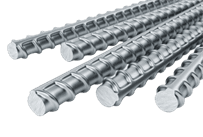
Rebar sizes vary according to structural design, construction elements, loads, and project requirements. Selecting the appropriate diameter is an important part of reinforced concrete construction.
Rebar is widely used in houses, villas, commercial buildings, industrial projects, and other reinforced concrete structures. Different diameters are available for different structural requirements.
What Are Rebar Sizes?
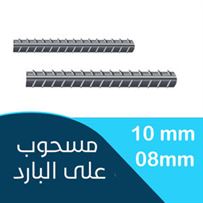
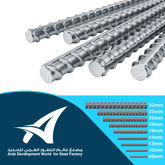
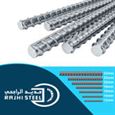
Rebar size generally refers to the bar diameter measured in millimeters. Different diameters are commonly used in construction, with each size selected according to structural design requirements.
| Rebar Size | Diameter | Common Application |
|---|---|---|
| 6 mm | 6 mm | Light reinforcement and secondary applications |
| 8 mm | 8 mm | Light reinforcement and secondary elements |
| 10 mm | 10 mm | Slabs and selected structural applications |
| 12 mm | 12 mm | Slabs, beams, and columns depending on design |
| 14 mm | 14 mm | Structural elements according to design |
| 16 mm | 16 mm | Beams, columns, and foundations depending on design |
| 18 mm | 18 mm | Structural elements requiring larger diameters |
| 20 mm | 20 mm | Beams, columns, and foundations |
| 22 mm | 22 mm | Structural elements with higher reinforcement requirements |
| 25 mm | 25 mm | Foundations, columns, and beams depending on design |
| 28 mm | 28 mm | Larger concrete structural elements |
| 32 mm | 32 mm | Projects and structural elements requiring larger reinforcement |
Common Rebar Sizes
Commonly used rebar diameters include 8, 10, 12, 14, 16, 18, 20, 22, 25, 28, and 32 mm.
The use of a particular diameter depends on the structural design and should not be selected based on building area alone.
8 mm Rebar
8 mm rebar may be used for light reinforcement and secondary applications. Its actual use should be determined according to the structural drawings and engineering calculations.
10 mm Rebar
10 mm rebar is used in various construction applications, including selected slab reinforcement and other structural elements requiring a medium diameter.
12 mm Rebar
12 mm rebar is a common size in construction and may be used in slabs, beams, and other structural elements depending on the project design.
16 mm Rebar
16 mm rebar is commonly used in structural elements such as beams, columns, and foundations, depending on loads and engineering design.
20 mm and 25 mm Rebar
Larger diameters such as 20 and 25 mm may be used in structural elements requiring higher reinforcement capacity, including certain foundations, columns, and beams.
28 mm and 32 mm Rebar
Larger rebar sizes such as 28 and 32 mm are used in certain large structural elements and projects that require larger reinforcement diameters.
How Do You Choose the Right Rebar Size?
Rebar diameter should not be selected based on building area alone. The appropriate size depends on:
- Structural element type.
- Loads acting on the element.
- Structural design.
- Applicable project standards and codes.
- Structural engineer requirements.
- Construction method.
Always follow the approved structural drawings and do not change rebar diameter without consulting the responsible structural engineer.
Rebar Sizes for Houses and Villas
Rebar sizes used in houses and villas vary according to the number of floors, foundation system, structural design, loads, and building requirements.
A project may use several rebar diameters, with each size selected for a specific structural element.
Rebar Size vs. Rebar Weight
Rebar size generally refers to the bar diameter, while rebar weight depends on diameter and length.
As the diameter increases, the theoretical weight per meter also increases. Knowing the diameter therefore helps when calculating the required steel quantity by weight.
Can Rebar Size Be Changed?
Rebar diameter should not be changed without professional review. Any change in diameter or number of bars should be approved by the structural engineer to ensure that the alternative meets the design requirements.
How to Order Rebar for a Project
When ordering rebar, prepare a list showing the required diameters and quantities, together with the project location and required delivery schedule.
If you have a rebar quantity schedule, you can send it to the supplier to receive a quotation based on the actual project requirements.
Request a Rebar Quotation via WhatsApp
If you need rebar in different sizes for your project, send us the required sizes, quantities, and project location via WhatsApp to request an updated quotation.
Click here to request a rebar quotation via WhatsApp
Frequently Asked Questions
What are the most common rebar sizes?
Common sizes include 8, 10, 12, 14, 16, 18, 20, 22, 25, 28, and 32 mm, depending on project requirements.
What is the largest rebar size?
Available diameters vary by manufacturer, product range, and project requirements.
What rebar size is suitable for a villa?
There is no single rebar size suitable for every part of a villa. The required diameter is determined by the structural drawings and engineering calculations.
Is 12 mm rebar suitable for foundations?
This cannot be determined generally. Foundation reinforcement depends on structural design, loads, and project requirements.
How do I know the required quantity for each rebar size?
Refer to the structural drawings and approved rebar quantity schedule to determine diameters, lengths, number of bars, and quantities.
Conclusion
Rebar sizes vary according to project requirements. The appropriate diameter should not be selected based on building area alone. Structural drawings and engineering calculations should be used to determine the correct size and quantity.
Arab Development World Company supplies rebar and commercial steel for contractors and project owners, with quotation requests available based on sizes, quantities, and project location.
.png)
- السجل التجاري : 1010298801
- الرقم الضريبي : 300438467100003